Buy Second-Hand Clothes: Your Guide to Sustainable Style, Straight from a Museum Lover’s Wardrobe
I remember the day I wandered into the Natural History Museum in London, not for the dinosaurs, but for a quiet escape from the rain. Tucked away in their “Fixing Our Broken Planet” exhibit, I stumbled on this simple nudge: buy second-hand clothes. It hit me like a wool sweater in winter—warm, practical, and a little unexpected. That afternoon, inspired by their climate action tips, I downloaded Vinted on my phone and scored a vintage linen dress for pennies. Fast-forward a year, and my closet’s a treasure trove of preloved gems that feel uniquely mine. If you’re dipping your toes into thrifting, this guide’s for you. We’ll unpack why it’s a game-changer for the planet (and your wallet), where to hunt for deals, and how to make it a habit that sticks. Let’s turn curiosity into your next favorite outfit.
Why Switch to Second-Hand Clothes?
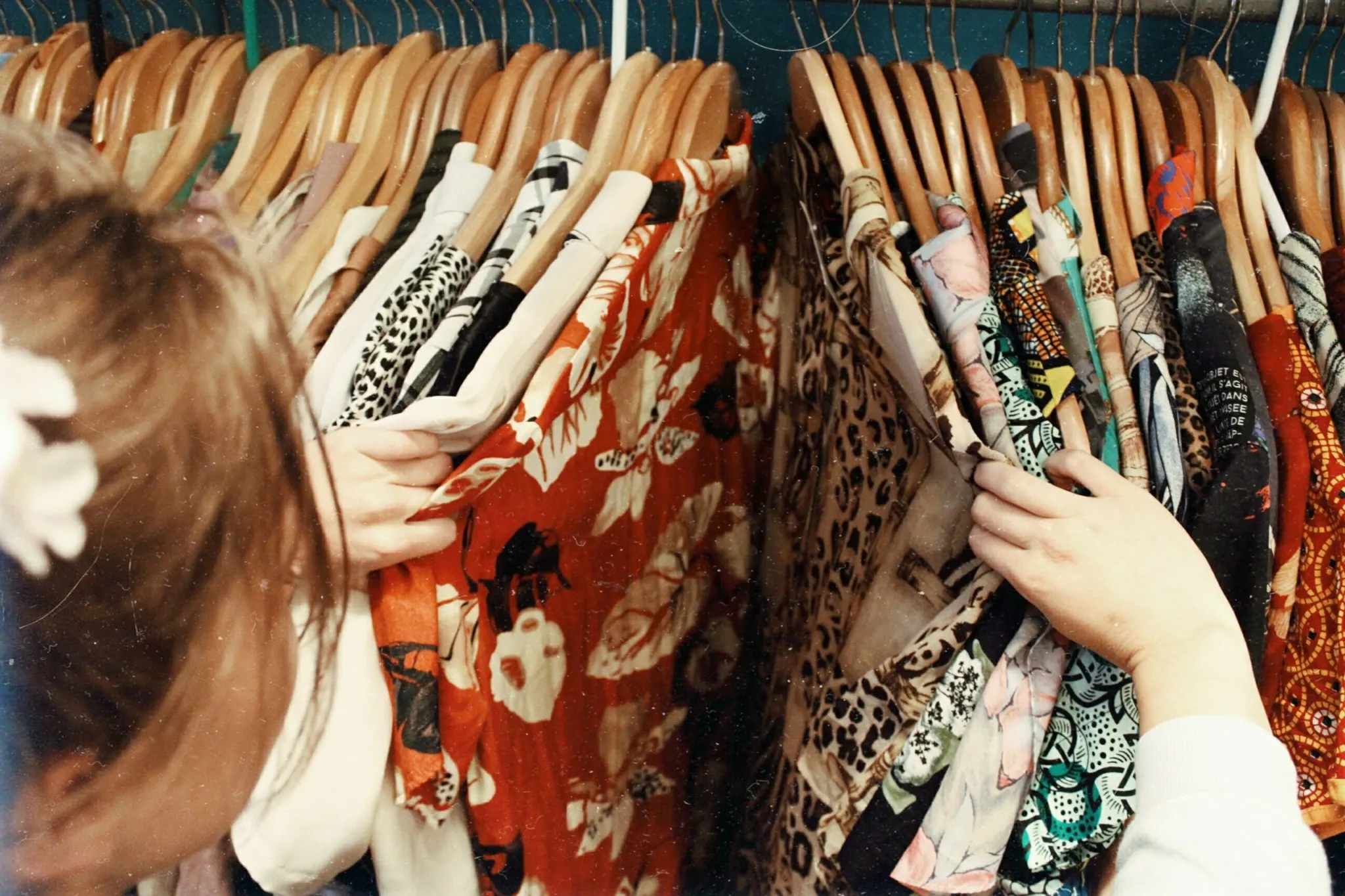
The Natural History Museum nails it: global clothing consumption could skyrocket 63% by 2030, piling up over 500 billion extra T-shirts in landfills. Buying second-hand flips that script. It’s not just about snagging bargains; it’s a quiet rebellion against fast fashion’s waste machine. I’ve felt that rush—digging through racks feels like unearthing history, one faded tag at a time. And honestly, who doesn’t love saving the earth while looking effortlessly cool?
Environmental Wins from Preloved Picks
Every time you choose used over new, you’re dodging a bullet for the planet. Second-hand shopping cuts down on the energy-guzzling production of fresh threads, slashing greenhouse gases from long supply chains. Remember that polyester blouse I almost bought new? Swapping it for a cotton one from Depop meant fewer microplastics washing into rivers. It’s small steps like these that add up, keeping textiles out of dumps and water cleaner for everyone.
Wallet-Friendly Fashion Without Sacrifice
Let’s talk money—second-hand isn’t charity; it’s smart investing. Brand-name pieces land in your lap for a fraction of retail, letting you experiment without regret. My first thrift score was a leather jacket that saw me through three winters. No more impulse buys that gather dust; instead, you’re curating a wardrobe that works harder for less. Plus, it supports local shops and nonprofits, turning your spend into something bigger.
Getting Started: Your Second-Hand Shopping Essentials
Diving into thrifting can feel overwhelming, like facing a diplodocus skeleton for the first time—massive, but manageable with the right map. The museum’s advice rings true: start with your measurements and a clear eye for quality. I learned this the hard way after a too-snug sweater return. Build from there, and soon you’ll spot gems amid the chaos. It’s less about hunting and more about mindful meandering.
Measure Up Before You Click “Buy”
Knowing your sizes inside out is your secret weapon online or in-store. Bust, waist, hips—jot them down, and use retailer charts religiously. That linen shift I nabbed? Perfect fit because I double-checked. Skip this, and you’re playing returns roulette, which wastes time and postage (not to mention the eco-hit).
Hunt for Natural Fibers That Last
Steer clear of synthetic snoozes like polyester; they shed microplastics like confetti at a bad party. Opt for cotton, linen, wool, or silk—these breathe, endure, and age gracefully. The museum’s spot-on here: natural stuff holds up through washes and wears, meaning fewer buys overall. My wool scarf from Oxfam? Still cozy after seasons of adventures.
Top Spots to Score Second-Hand Treasures
Whether you’re scrolling from your couch or hitting the pavement, the world’s your vintage oyster. From apps buzzing with Gen Z energy to cozy charity corners, options abound. I once turned a lazy Sunday into a Depop deep-dive, emerging with outfits for a month. The key? Mix online ease with in-person serendipity for the full thrill.
Online Havens for Effortless Browsing
Digital thrift dives like ThredUp and Poshmark make it stupid-easy to filter by size, style, and price. Set alerts for your go-to brands, and voila—deals ping your phone. It’s revolutionized my routine; no more dragging kids to stores, just curated carts that arrive gift-wrapped.
Local Gems: Charity Shops and Markets
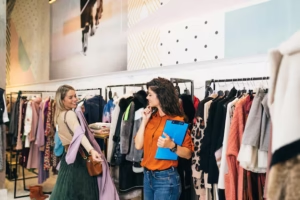
Nothing beats the smell of possibility in a high-street Oxfam or weekend boot sale. These spots fund good causes while unearthing one-of-a-kind finds. My favorite London haunt near the museum yielded a silk blouse that sparked compliments for years. Pro tip: visit mid-week for fresh stock and fewer crowds.
Comparing the Best Second-Hand Platforms
Not all apps are created equal—some shine for luxury, others for everyday steals. Here’s a quick showdown to match your vibe. I weighed these during my thrifting glow-up, landing on a rotation that keeps things fresh without overwhelm.
| Platform | Best For | Price Range | Shipping Notes | User Rating (Out of 5) |
|---|---|---|---|---|
| ThredUp | Everyday basics & brands | $5–$50 | Free over $79 | 4.7 |
| Depop | Trendy, streetwear vibes | $10–$100 | Buyer pays, ~$5–$10 | 4.6 |
| Vinted | Quick local swaps | $1–$30 | Free in-app | 4.8 |
| eBay | Vintage rarities | $20–$200+ | Varies, often $4–$15 | 4.5 |
| Poshmark | Designer dupes | $15–$150 | $7.97 flat | 4.4 |
This table’s my cheat sheet—ThredUp for volume, Depop for that cool-kid edge. Pick one, master it, then expand.
Pros and Cons: Is Second-Hand Right for You?
Thrifting’s got its highs and hiccups, like any love affair. On one hand, it’s liberating; on the other, it tests your patience. I laughed off my first “meh” haul—turns out, it’s all part of the charm. Weigh these to see if it sparks joy in your routine.
Pros:
- Eco-hero status: Cuts waste and emissions, aligning with museum-backed sustainability.
- Budget bliss: Up to 90% off retail, freeing cash for coffee or causes.
- Unique flair: No cookie-cutter closets—your style tells a story.
- Social good: Boosts charities like Shelter, where every tag sold helps someone.
Cons:
- Sizing surprises: Returns can sting, especially internationally.
- Time investment: Scrolling or sorting takes effort, not instant gratification.
- Condition roulette: Faded fades happen; inspect photos closely.
- Limited stock: Hot items vanish fast in peak seasons.
Overall, the ups outweigh the quirks, especially if you’re in it for the long (eco) haul.
Smart Tips for Sustainable Second-Hand Success
To thrift like a pro, layer in these habits—they’ve saved me from buyer’s remorse more times than I can count. Inspired by the NHM’s nudge to donate what you don’t wear, it’s a cycle of give-and-take that feels good. Start small, stay consistent, and watch your impact grow.
- Set a “one in, one out” rule: Clears space and curbs hoarding—my closet’s slimmer and sharper for it.
- Wash smart: Cold water, gentle cycles preserve pieces longer, dodging that microplastic mess.
- Style it your way: Mix high-street finds with basics for outfits that pop without excess.
- Support ethical sellers: Favor shops vetting for fair labor—it’s thrifting with a conscience.
- Track your wins: Journal scores to celebrate savings and spark motivation on slow days.
These aren’t rules, just friendly nudges toward a lighter footprint.
People Also Ask: Quick Hits on Second-Hand Shopping
Google’s got questions, and I’ve got stories. Pulled from real searches, these tackle the curiosities that pop up when you’re pondering your next preloved purchase. They’re the “aha” moments that eased my early doubts.
Where is the best place to buy second-hand clothes?
It depends on your scene—ThredUp for massive online selections, or local charity shops for that tactile thrill. In London, hit Oxfam near the museum; stateside, Beacon’s Closet in NYC is gold. Start local for low shipping wins.
Is it cheaper to buy second-hand clothes?
Absolutely, often 70–90% less than new. That designer denim? Yours for $20 instead of $200. But factor in time—it’s an investment that pays eco-dividends too.
How do I buy second-hand clothes online?
Download an app like Depop, search keywords (e.g., “vintage linen blouse size 10”), check seller ratings, and read descriptions front-to-back. Pay via secure methods, and always snap return policies.
What should I look for when buying second-hand clothes?
Quality seams, natural fabrics, and no mystery stains. Zoom on photos for wear spots. Bonus: pieces versatile enough for multiple looks—my go-to is anything timeless over trendy.
Is buying second-hand clothes hygienic?
Mostly yes—most items get a wash post-purchase. For peace of mind, choose sellers who dry-clean or note cleaning status. I’ve never had issues, but a quick vinegar soak never hurts.
FAQ: Your Burning Questions Answered
Got specifics? These cover the chatter I hear from friends new to thrifting. Short, sweet, and straight from my trial-and-error playbook.
Q: What’s the easiest app for beginners to buy second-hand clothes?
A: Vinted—it’s free shipping in many spots, user-friendly filters, and a social feed that feels fun, not frantic. I started there and never looked back.
Q: How can I avoid impulse buys when thrifting?
A: Sleep on it—add to cart, wait 24 hours. It weeds out whims, leaving keepers. Saved me from a neon phase I’d regret.
Q: Are second-hand clothes really better for the environment?
A: Hands down. They sidestep new production’s water guzzle (2,700 liters per T-shirt!) and landfill doom. Tie it to NHM’s stats for extra conviction.
Q: Can I find luxury brands second-hand affordably?
A: Yep, The RealReal specializes in authenticated Gucci and Chanel at slashes. Patience pays—set alerts for drops.
Q: How do I style second-hand finds to look modern?
A: Layer boldly: pair a vintage skirt with crisp sneakers. It’s about contrast—old meets new for that effortless edge.
Wrapping this up, buying second-hand isn’t a trend; it’s a thoughtful pivot toward a wardrobe that whispers stories instead of shouting waste. That museum moment sparked my shift, and now it’s yours to claim. Grab a coffee, fire up an app, and let the hunt begin. Your planet (and style) will thank you. What’s your first score going to be?